
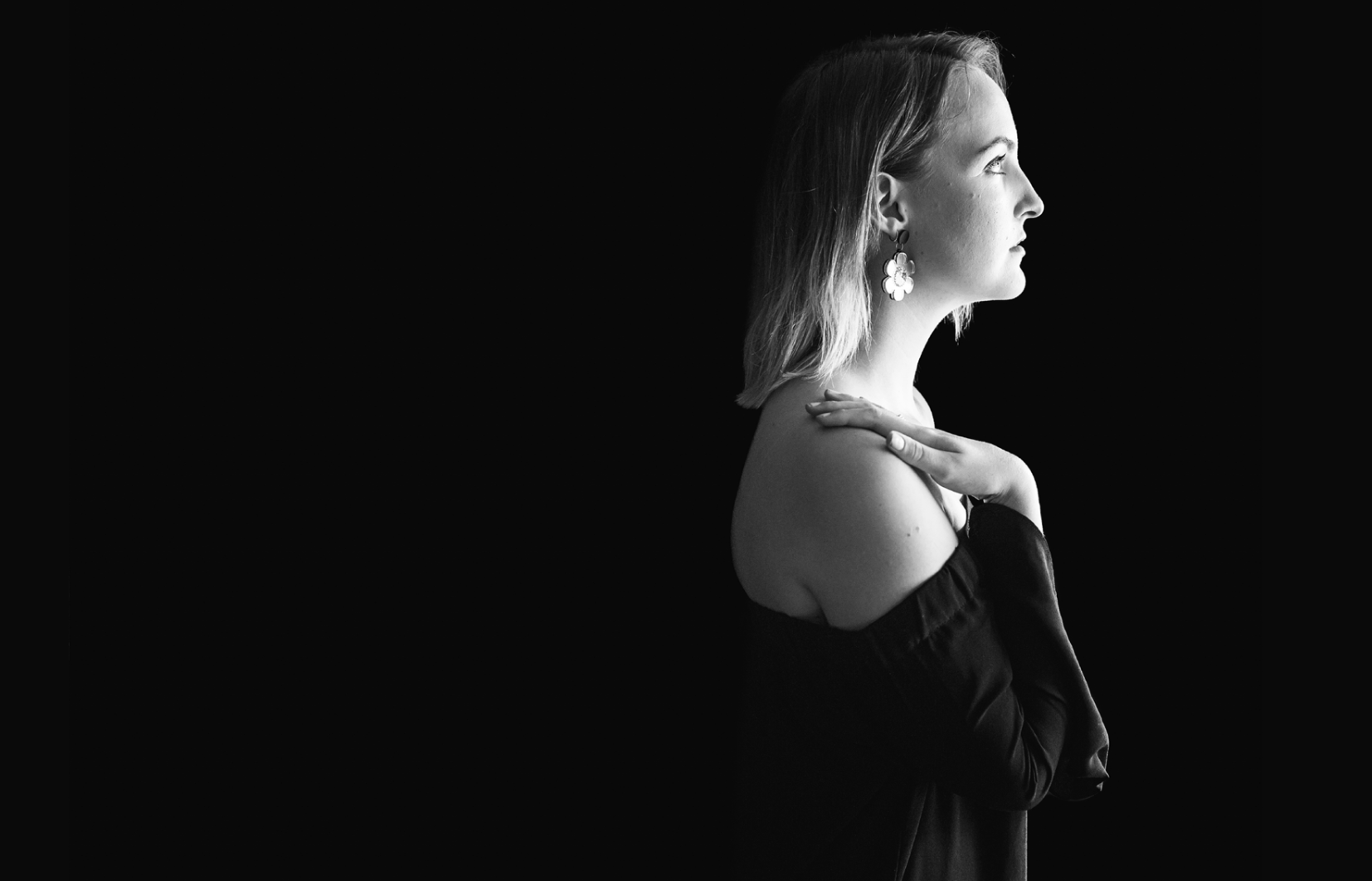
BEHIND THE FIGURES EXHIBITION - SEPTEMBER 2026
The Just Saying Project invites visual artists to respond to original body image research for Behind the Figures — a selling exhibition marking JSP's tenth anniversary of community exhibitions.
78 women shared their experiences of body image in a survey conducted by the project. The findings reveal a complex, often contradictory relationship with embodiment — shaped early by culture, intensified by media, and most softened by function, safety, and connection rather than appearance.
We warmly encourage submissions from First Nations artists and artists from culturally and linguistically diverse backgrounds. Experiences of body image are shaped by culture, history, and community, and we seek work that reflects this breadth.
Missed the information session or want to revisit the details?
Watch the recording to learn about the open call, submission process, and key dates for Behind the Figures.
THE RESEARCH
-
65% of participants have avoided a life event, photograph, or opportunity because of how they felt about their appearance — including weddings, professional opportunities, photographs, and intimacy.
35.9% have never told themselves “I am beautiful”.
The average body confidence score was 5.37 out of 10 — a community almost split down the middle.
Body shame was most first felt between ages 6 and 13, triggered by family comments, peer teasing, puberty, and media imagery.
-
Only 1 in 13 women feel that women in media genuinely reflect real women’s bodies and stories.
54% feel pressure from social media and advertising to look a certain way.
Participants described beauty standards as cyclical and contradictory — the trends change but the pressure stays.
-
74.4% feel empowered by what their body has done (rather than how it looks) — referencing childbirth, illness recovery, physical endurance, and simply continuing through difficulty.
When asked what their most beautiful quality would be if beauty were not about appearance, participants named: kindness, empathy, presence, authenticity, compassion, energy, and resilience.
68% experience body positivity as complicated or demanding— the desire is not for celebration, but for permission to feel neutral, human, and inconsistent.
WHAT WE’RE LOOKING FOR
We invite artists to create work that responds to any dimension of this research. You do not need to address every finding — a single statistic, a single participant voice, or a single tension within the data may be enough to anchor a powerful work.
We welcome submissions across all visual art forms, including but not limited to:
Painting, drawing, and printmaking
Photography and lens-based work
Sculpture and installation
Textiles, fibre art, and wearable work
Digital and new media art
Mixed media and collage
Ceramics and object-based practice
We are particularly interested in work that is data-informed but emotionally led — work that treats the research as a starting point for creative interpretation, not a set of facts to illustrate. We value authenticity, lived experience, and artistic risk.